

WARTIME MEMORIES No.1
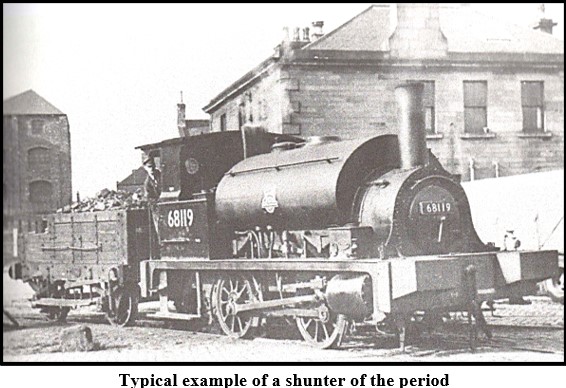
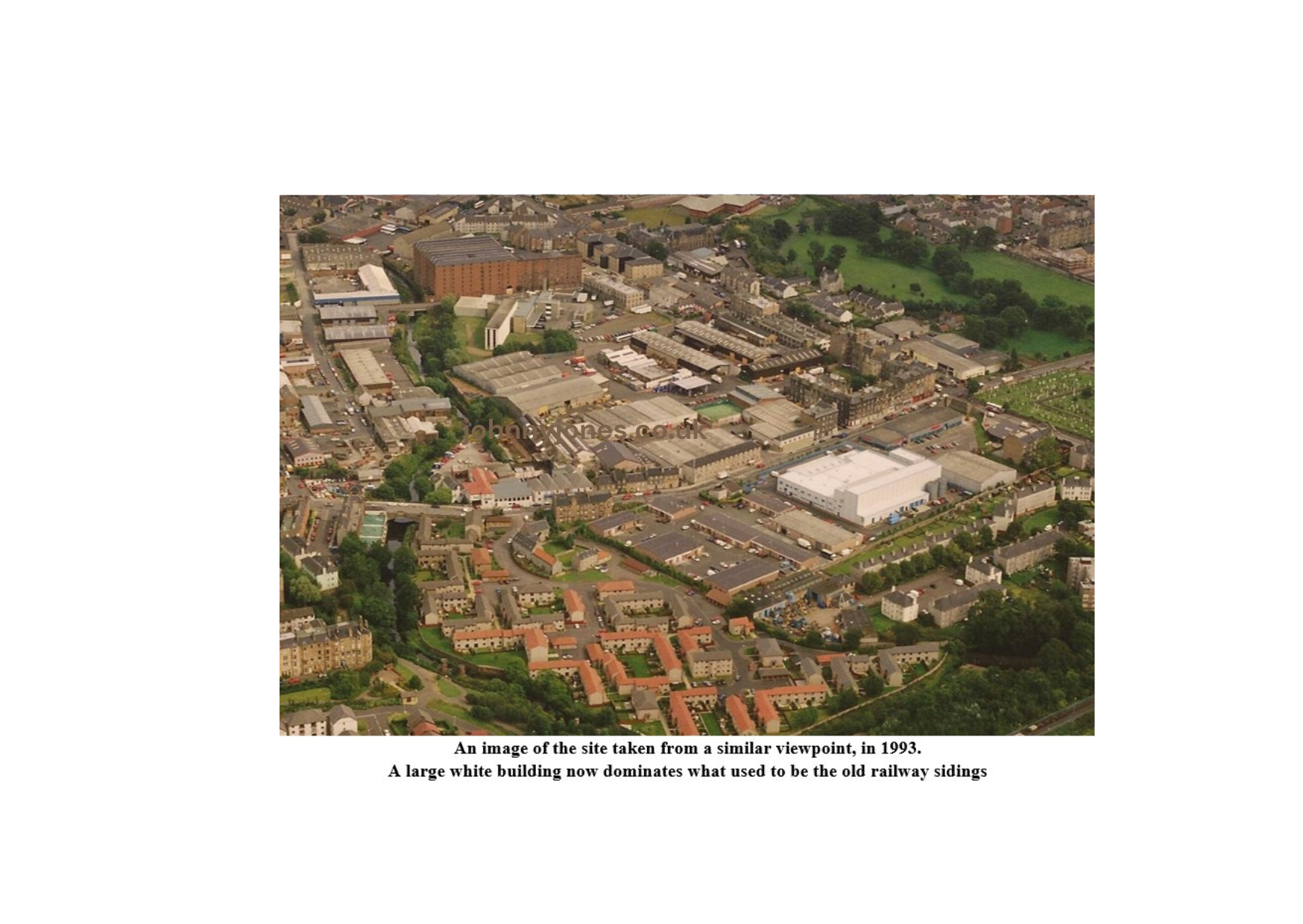
Not long after the end of the Second World War, under the starlit sky of an early autumn morning, a chuffing, puffing old railway engine, enveloped in a cloud of steam, shunted a clanking train of open topped freight wagons into the railway siding just to the North of Bonnington Toll in Edinburgh. With the wagon’s brakes secured, the engine steamed off to get on with its next task, leaving the sidings deserted, eerily silent and hidden from view behind the high random rubble stone wall that borders Newhaven Road.
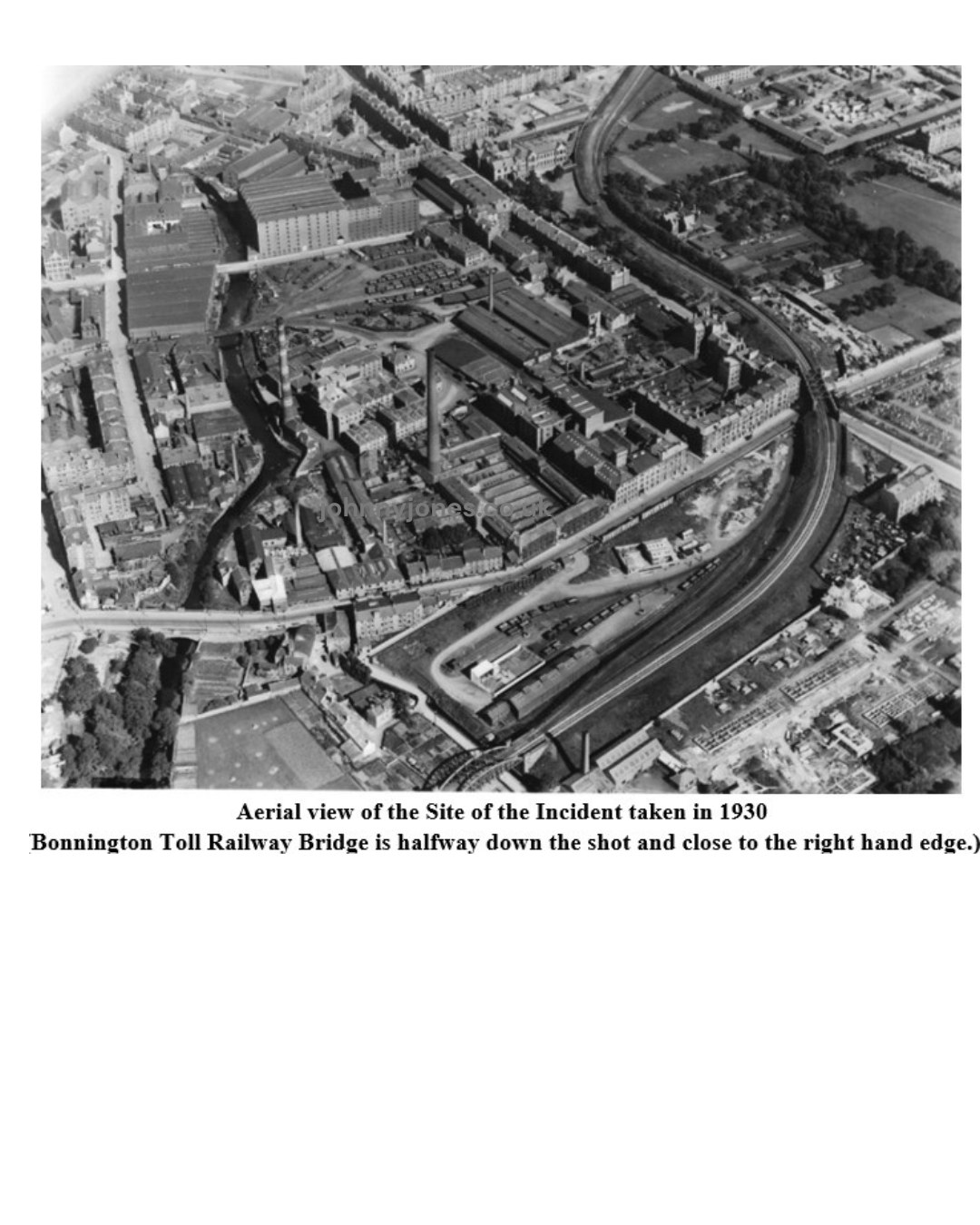
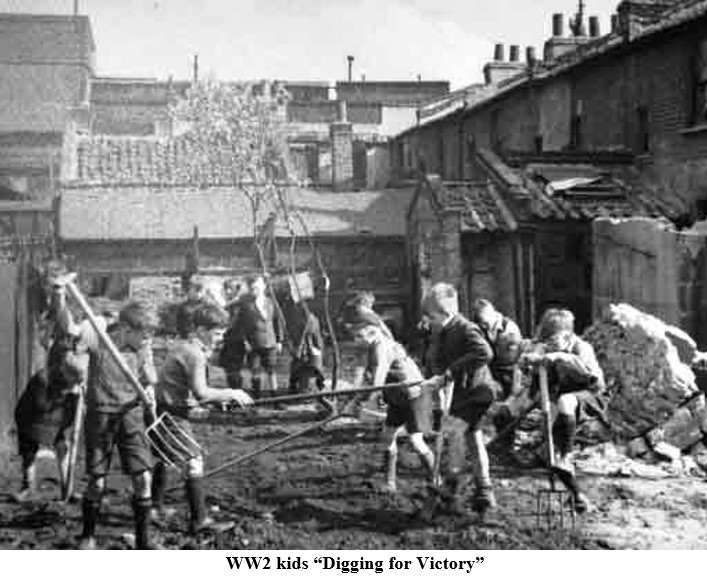
Later, with the sun creeping over the Eastern horizon, a group of local children, taking a short cut through the siding to get to school, noticed the new arrivals. With the inbred curiosity of youth and ever on the lookout for something to amuse them in these days of hardship, rationing and shortages of everything, the little foragers climbed up onto the trucks to see if they could find something to brighten up their day.
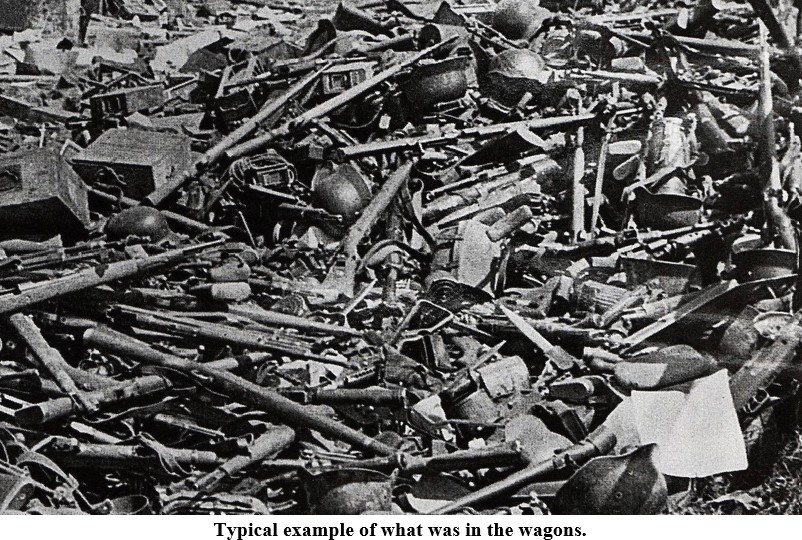
Imagine the youngsters’ astonishment when they discovered that the wagons were filled to the brim with an incredible assortment of slightly rusted personal weapons of war.
There, right in front of their unbelieving eyes, lay a treasure trove of things they had only seen in the movies or had made models out of from bits of wood – or for that matter – anything else they could lay their hands on that could be shaped to give the desired effect. Handguns, rifles and machine guns were all there, jumbled together with swords bayonets and all sorts of stabbing and cutting weapons. And, from the instantly recognisable steel helmets littered amongst them, excited young scavengers knew that this was a small part of the surplus weaponry that had so recently belonged to the soldiers of both our allies and the axis forces.
In a trice the ecstatic youngsters had climbed over the rims of the wagons and were swarming over the top of this unbelievable bonanza that now lay under their feet. Then, like the foraging pirates they were, frantically stuffing their schoolbags and pockets full of whatever took their fancy.
As is the case in any close knit community, the news of this bonanza of goodies spread like wildfire and for the rest of the day, as long as the light held, the railway siding saw a steady stream of the locals – young and old alike – all hoping to grab for themselves a souvenir of the recently ended worldwide conflict.
Overnight the local war games had taken on a thrilling sense of realism. Now, these pseudo soldiers were wearing real steel helmets and carrying real guns and bayonets. Regrettably for them, because no ammunition had been found in the wagons, the ‘child soldiers’ still had to make their own interpretation of a gunshot. Nevertheless, what they did get was a tremendously uplifting sense of satisfaction
*
At daybreak next morning the chuffing, puffing engine came back, coupled up the train of wagons and took them away on the next stage of the journey towards its intended destination – a scrapyard somewhere. By then however, the damage had been done. The locals had made significant inroads into the contents of the wagons.
Just as the islanders of Todday had done in ‘Whisky Galore’ the spoils were now squirrelled away in an ingenious selection of hidey-holes. In effect anywhere at all that was thought to be safe from prying eyes.
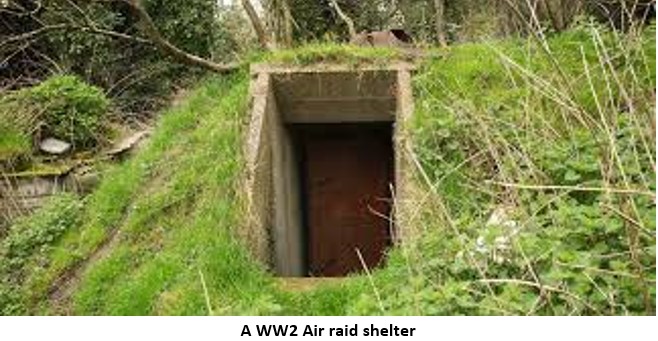
For the next few days abandoned air raid shelters, tenement access passageways and street corners were the trading ground of the haves and the have nots. It was there that the opportunistic entrepreneurs were busy legitimising the value their surplus stock of illegal goods, by swapping it for stamp and cigarette card collections, train sets, magic lanterns and other treasured boy’s ‘toys’. Items which up ‘till then, had been the cherished possessions of those who were now the proud Webley service revolvers, German Lugers, Italian Berettas, American Colt pistols and many other well-known makes of gun.
Sten guns, Bren guns, Vickers, Maxims and other machine guns were also readily available. One ‘owner’ was even inviting offers for an exotic heavily decorated long barrelled Arab rifle. But what everyone really wanted was a Tommy gun so naturally these demanded the highest ‘exchange rate’.
The first hint the local police force got, about the illegal ordnance in their area, was when the head master of a local school telephoned them to report that one of his teachers had caught two boys surreptitiously playing with guns behind the uplifted lid of their desks at the back of her classroom. She had confiscated the weapons and promptly escorted the culprits to the headmaster’s office. The anxious head telephoned the police, who instructed him to keep his pupils in their classrooms and to seal off the school premises.
Almost before the phone was back on its cradle, a black Wolseley police car pulled up outside the school and a superintendent, backed up by four middle aged special constables, who with joints creaking got out of it and rushed– to the best of their capabilities – into the school.
The police, helped by the entire staff of the school, then carried out a thorough search of every pupil, room and nook and cranny in the school. After a protracted and exhausting effort, a veritable arsenal of weapons, consisting of guns and bladed weapons of every description – that had so recently been the weapons of soldiers of both the allied (ours) and axis (theirs) armies -was locked up in a secure storeroom.
*
Because this almost forgotten event has gone unrecorded – until now – and because no report of it could be found, in either the local press archives or police records, nothing more is known for certain.
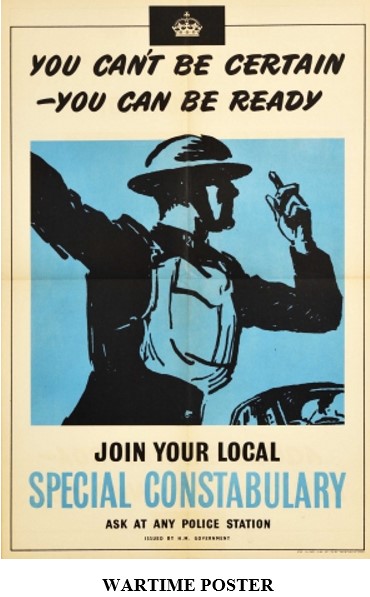
What is known though is that when this incident occurred, most of the regular police officers were still serving in the armed forces and the muster strength of the local police force was largely made up of special constables and older retired officers. Overworked and seriously undermanned their presence was consequently thin on the ground. Regular patrol cars and radios did not exist, and a single officer patrolled his area of responsibility (his beat) on foot with his only means of summoning assistance was by blowing a sharp blast on his whistle.
It is fairly obvious then that the local police presence, burdened by the additional activities of the aftermath of the war, was in no condition to undertake the task of searching for and controlling this unknown quantity of weapons spread through their area. Clearly, they were faced with a nigh on impossible task.
When, many years later, a weapons amnesty was declared, the local neighbourhood ‘s bridges over the Water of Leith provided convenient places to discard the now ‘hot’ weapons.
Magnet fishers and metal detectorists take note!
*
P.S The Author had a Colt automatic pistol (without magazine) which he swapped for a tin plate, hand cranked cinematograph together with one old 32mm copy of the silent film, The Red Barn. A 38mm French Service Revolver which his father licenced, converted into a starting pistol and used for many years.
 Johnny Jones